_updates.jpg)
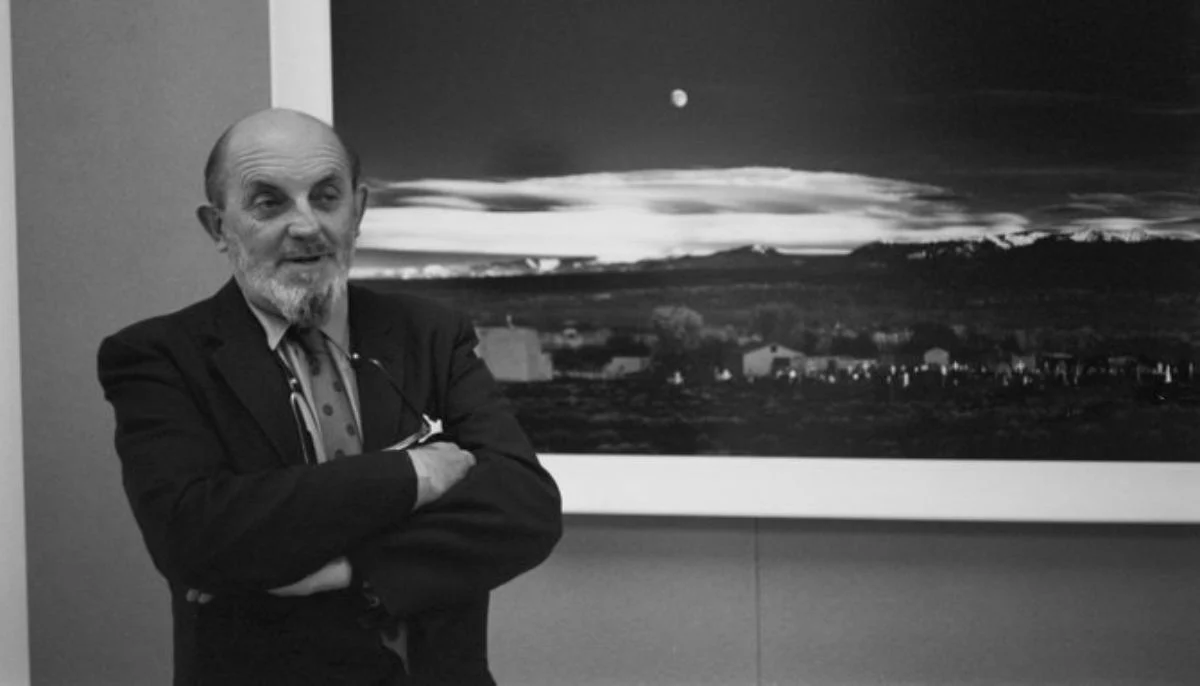
Ansel Adams’ “Moonrise, Hernandez, New Mexico” (1941) stands as one of the most iconic landscape photographs ever captured. Today, the same image is being remade instantly, not by photographers, but by generative AI tools that can replicate its moody, high-contrast aesthetic with a single prompt.
This whole phenomenon has ignited a debate about copyright, artistic devaluation, and who actually benefits when machines mimic human creativity in a kind of sly way.
The Ansel Adams Publishing Rights Trust said it was neither consulted nor informed about the AI-generated colour version of “Moonrise, Hernandez, New Mexico” before it was exhibited and offered for sale, adding that it did not authorise or endorse the work.
In a statement, the Trust said the piece exploited Adams’ name and legacy without identifying any human creator, calling it a serious breach of artistic and moral rights. It added that it contacted the gallery as soon as it became aware of the work and has since moved to have it removed, stressing that using an artist’s reputation for commercial gain without consent reflects a clear failure of professional and ethical standards.
The controversy is centred on a troubling reality: AI image generators trained on massive datasets can now echo Adams’ unmistakable style, without any permission or compensation.
Users just type a prompt, and seconds later they end up with something like a “moonrise-style” photograph. To working photographers and the wider artistic community, the implications are pretty blunt, like you feel them immediately.
_updates.jpg)
While Adams’ original photographs carry copyright protection, the AI-generated recreations live in this odd, complex legal zone. Style mimicry adds a particular sort of pressure because generative models can instantly echo the high-contrast, brooding look that Adams spent decades shaping and refining without ever licensing it or even giving credit in any clear way.
And unlike traditional derivative works, AI-generated “Adams-style” images don’t really need permission or a fair use explanation to pass through. They just appear, are shared freely or offered for sale, and in practice they syphon possible revenue from photographers who built their livelihoods on a recognisable visual manner.
Adams’ original Moonrise was originally in black and white, made under brutal constraints limited film stock, dim, failing light, specialised equipment, and then years of technical mastery, not something quick or easy.