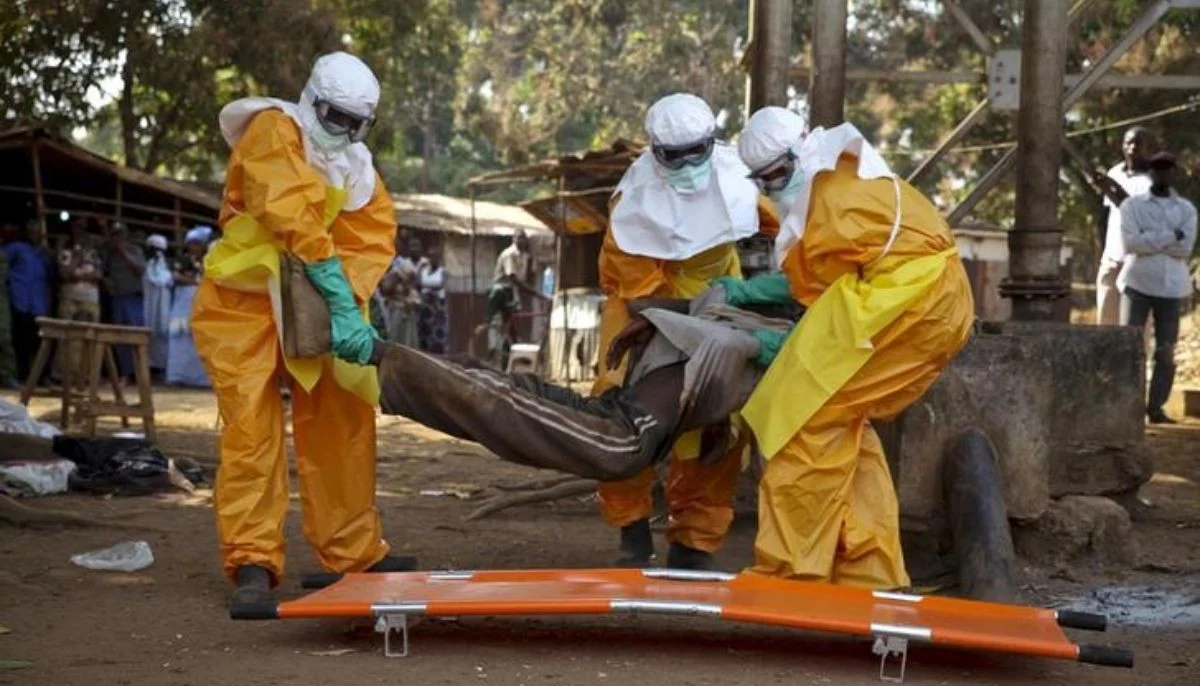
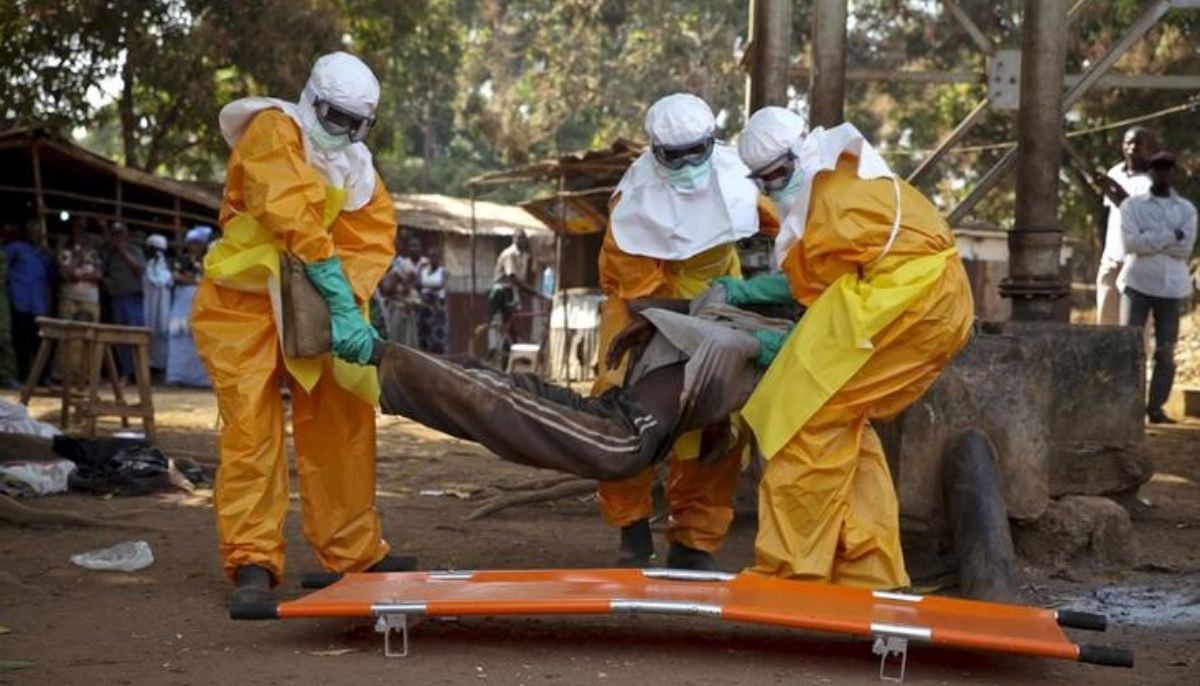
The World Health Organization has classified an Ebola outbreak in the Democratic Republic of Congo’s eastern Ituri Province as a public health emergency of international concern.
With 246 suspected cases and 80 deaths already reported, this outbreak is being treated as the 17th Ebola emergency in the DRC since the virus was first discovered there in 1976.
This one is kinda different from earlier Ebola events. The causative agent turns out to be the Bundibugyo virus, a rare strain for which there are no approved drugs or vaccines currently in place.
Eight of the suspected cases have been confirmed in the laboratory. All cases and deaths have occurred in three health zones: Bunia, the provincial capital, and two gold-mining towns: Mongwalu and Rwampara.
According to WHO’s director-general Dr Tedros Adhanom Ghebreyesus, there are “significant uncertainties regarding the extent of infection”.
The virus has not only crossed the borders of the DRC. Two cases have been confirmed in Uganda, one of which is a 59-year-old man who passed away last week. The risk of infections in the urban areas of Bunia and Rwampara, along with the mining operations in Mongwalu, has been identified as a key factor.
Population movement from the affected zones into nearby countries has forced Dr Jean Kaseya from the Africa CDC to stress over the necessity of regional coordination as soon as possible.
Ebola spreads by direct contact with infected blood and other body fluids; it can trigger severe bleeding and organ failure too. At first you may notice fever, muscle aches, headache, and a sore throat; then it tends to move into vomiting, diarrhoea, rashes, and eventually bleeding that can’t be controlled.
According to WHO data, this virus carries an average fatality rate of about 50% or so, yeah. In the last 50 years around 15,000 people across Africa have died from Ebola. The deadliest outbreak in the DRC, from 2018 to 2020, basically took nearly 2,300 lives.