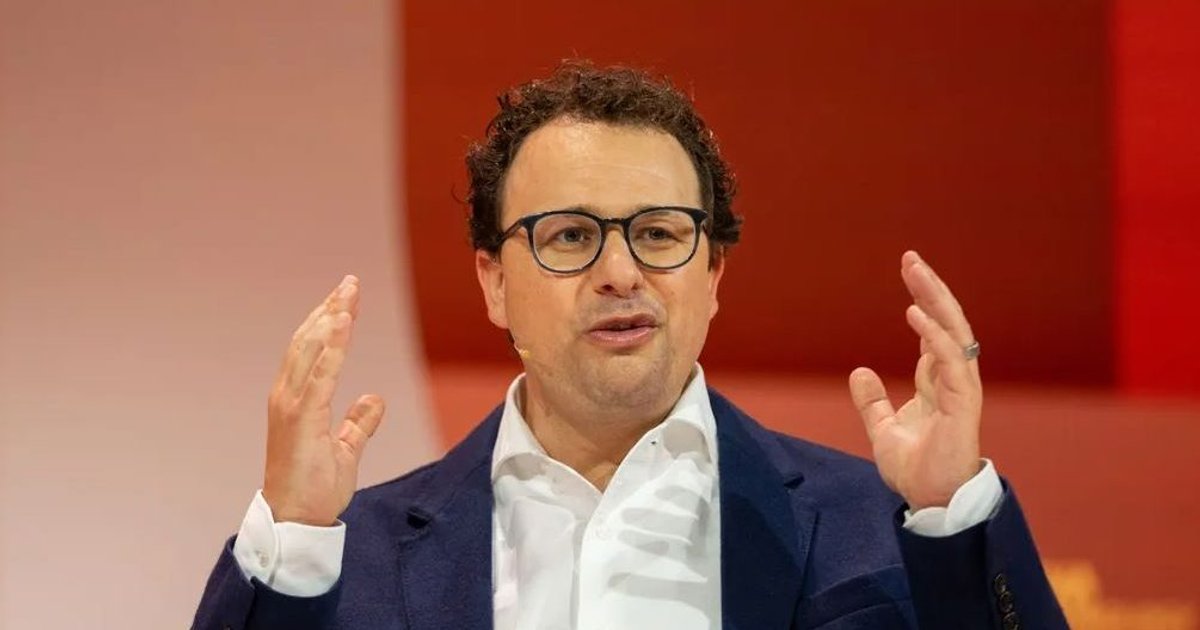
Speaking with Matt Comyn, CEO of Commonwealth Bank of Australia, Sam conceded he was “pretty wrong” about the short-term economic disruption, noting that this has simply not materialised.
He said: “I’m delighted to be wrong about this. I thought there would have been more impact on entry-level white-collar jobs being eliminated by now than has actually happened.”
Dario has also reframed automation not as a destroyer of jobs, but as a multiplier of output. He notes: “If you automate 90% of the job, then everyone does the 10% of the job. And the 10% kind of expands to be 100% of what people do and kind of 10-times their productivity.”
The abandonment of doomsday predictions comes as OpenAI and Anthropic eye a US$1tn valuation in their respective IPOs this year. Some analysts have asserted that the initial apocalyptic job narrative has transformed from an effective marketing tool into a massive financial liability.
Institutional investors like pension funds and asset managers have always preferred predictable growth, enterprise stability and regulatory compliance over uncertainty. If OpenAI and Anthropic are to successfully go public, they must convince investors that they do not come with the threat of triggering an employment crisis.
Walking back on the doomsday prediction could also be a calculated move to defuse regulatory landmines. If regulators conclude that these platforms will permanently displace half the workforce, severe antitrust scrutiny will jeopardise the upcoming listings.
By rebranding Gen AI from an omnipotent threat into a corporate efficiency utility, Sam and Amodei seem to now be speaking the stable language that Wall Street demands, following the steps of financial giants like David Solomon, CEO at Goldman Sachs.