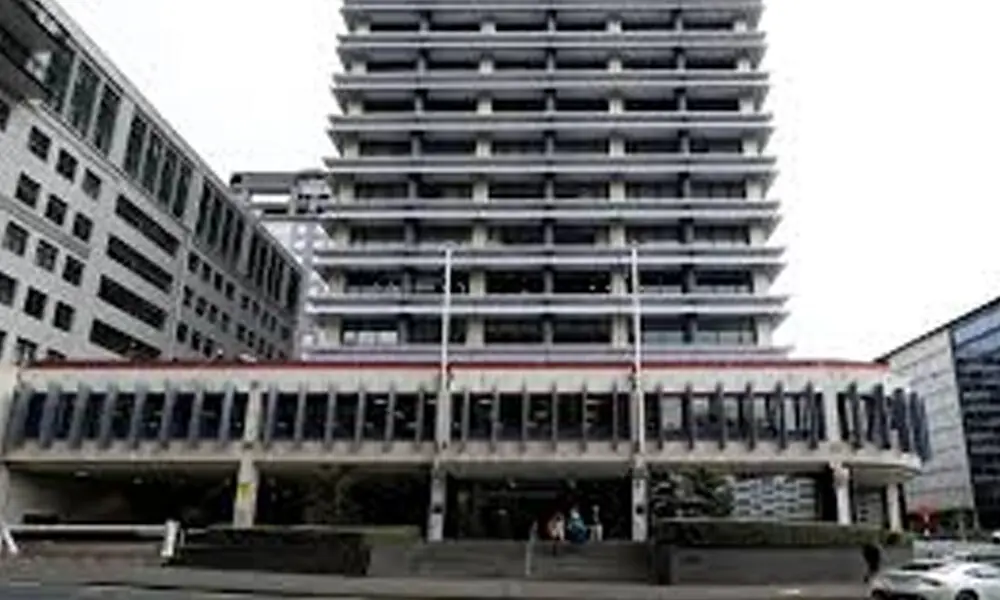
WELLINGTON: New Zealand’s central bank held rates steady on Wednesday, but a split vote underscored a knife-edge decision, as policymakers warned rates will need to rise sooner and by more than expected to counter an energy shock rippling through the global economy.
Wrapping up the May policy meeting, the Reserve Bank of New Zealand kept the cash rate on hold at 2.25%, and said three members voted to raise interest rates by a quarter-point while three voted to leave rates steady. RBNZ Governor Anna Breman had the ultimate deciding vote.
“On balance, the OCR will most likely need to increase sooner and by more than envisaged in the February Monetary Policy Statement,” the RBNZ said in its statement.
“The pace of OCR increases will depend on the relative influence of persistent wage- and price-setting behaviour versus weaker economic activity on medium-term inflation pressures.”
The kiwi dollar jumped 0.7%to $0.7162, while two-year swap rates are 3 basis point at 3.4821%. Markets narrowed the odds of a first rate hike in July to 72% from 68% before.
The revised forecast for the cash rate now implies at least two more rate hikes by the end of the year.
Also read: New Zealand dollar rallies as RBNZ comes close to hiking
Bank of New Zealand said in a note that while the committee vote had been split, “they all agreed that rates will need to rise and rise soon.”
Capital Economics expects the central bank to hike rates sooner than its own forecast of for an October move. “While the MPC did leave rates on hold today, it does seem like it is leaning towards hiking sooner rather than later,” it said.
All but one of 29 economists polled by Reuters expected a steady decision for the third straight meeting, while over half of them warned the prolonged Middle East conflict could force a rate hike by September.
RBNZ calculus shifts
The RBNZ has slashed rates by 325 basis points since August 2024, reversing its post-pandemic tightening drive that pushed the economy into recession and cooled inflation. That calculus is now shifting, with inflation running at 3.1% for two straight quarters, sitting above the central bank’s target range of 1% to 3%.
There are signs that near-term inflation expectations are starting to shift as war-driven disruptions to global oil supply dragged on. Central banks globally have also turned hawkish -the Federal Reserve is now seen tightening rather than easing policy this year while Australia’s central bank has hiked rates three times already.
A fragile weeks-long Middle East ceasefire has been tested this week with U.S. strikes on Iranian targets. The Strait of Hormuz, which carries 20% of the world’s oil and gas shipments, has been effectively shut by Tehran since the war erupted late in February.
The RBNZ now expects inflation to rise to 4.3% in the September quarter, and unemployment, which hovered near a decade high at 5.3%, to peak at 5.4% and stay there until June 2027.
Although New Zealand’s economy has emerged from recession, growth is still anaemic and is being further squeezed by the Middle East turmoil, persistent uncertainty about the war’s broader global impact and a tight fiscal stance.
New Zealand’s conservative government, led by Prime Minister Christopher Luxon, is set to unveil its annual budget on Thursday, with tight spending controls expected to dominate and little in the way of economic stimulus.